


The Jingdezhen Stratum: A Legacy of Kaolin
“Soil and Spirit: The 1,000-Year Lineage of the Porcelain Capital”
SaraGaia’s studio is not merely located in Jingdezhen; it is rooted in its specific geology. This entry explores the unique composition of local Kaolin clay – the “white gold” that fueled the global porcelain trade for a millennium and established this region as the undisputed epicenter of ceramic excellence.
The Discovery of Gaoling (High Ridge)
The history of porcelain is a story of geological fortune. In the Tang and Song dynasties, artisans discovered a unique clay at Gaoling Village (High Ridge), from which the international term “Kaolin” is derived. Unlike the common clays of Europe or the Near East, which melted into puddles at high temperatures, this weathered feldspathic rock possessed an extraordinary structural memory. When combined with “Petuntse” (porcelain stone), it allowed Jingdezhen to produce vessels that were thin as paper, white as jade, and resonant as a bell. This formula transformed a regional craft into a global obsession, decorating the tables of emperors and the palaces of the Silk Road.
Alumina: The Skeleton of the Flame
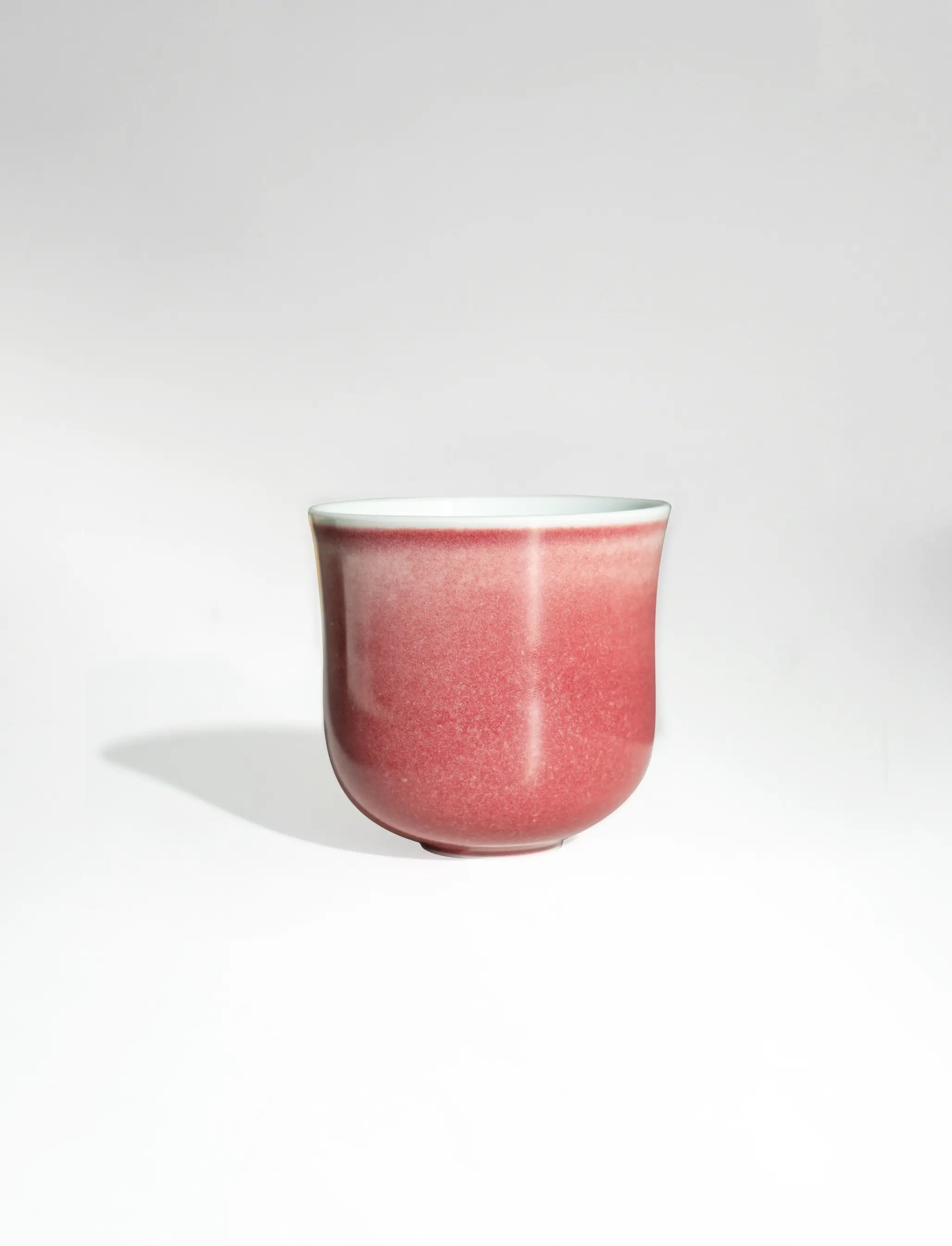
The “superiority” of the Imperial Kilns was, at its heart, a matter of Alumina content. Jingdezhen Kaolin is uniquely rich in alumina, which acts as the “skeleton” of the porcelain. It provides the refractory strength necessary to withstand the intense 1300°C reduction flame without collapsing. At this peak heat, while the glaze turns to liquid glass, the Kaolin body remains upright and stable, achieving Vitrification – a state where the clay becomes non-porous and exceptionally durable. By utilizing the same high-quality deposits that defined imperial standards, SaraGaia translates this ancient technical resistance into a contemporary object built for the rigors of modern life.
The Integrity of the Unadulterated Earth
We distinguish the integrity of these ancient strata from the standardized, chemical-laden clays prevalent in modern mass production. While industrial ceramics often rely on synthetic additives, plasticizers, and chemical whiteners to mask inferior soil, we curate the raw potential of the Jingdezhen earth. Our commitment to zero-additive safety is born from the inherent purity of our source material. Because our soil and Raw Minerals are naturally clean, our production requires no lead, no cadmium, and no chemical synthesis. We subject this “unadulterated truth” to rigorous laboratory testing, ensuring your daily rituals are supported by the same mineral purity that once graced the Ming and Qing courts.
A Millennial Anchor for the Digital Desk
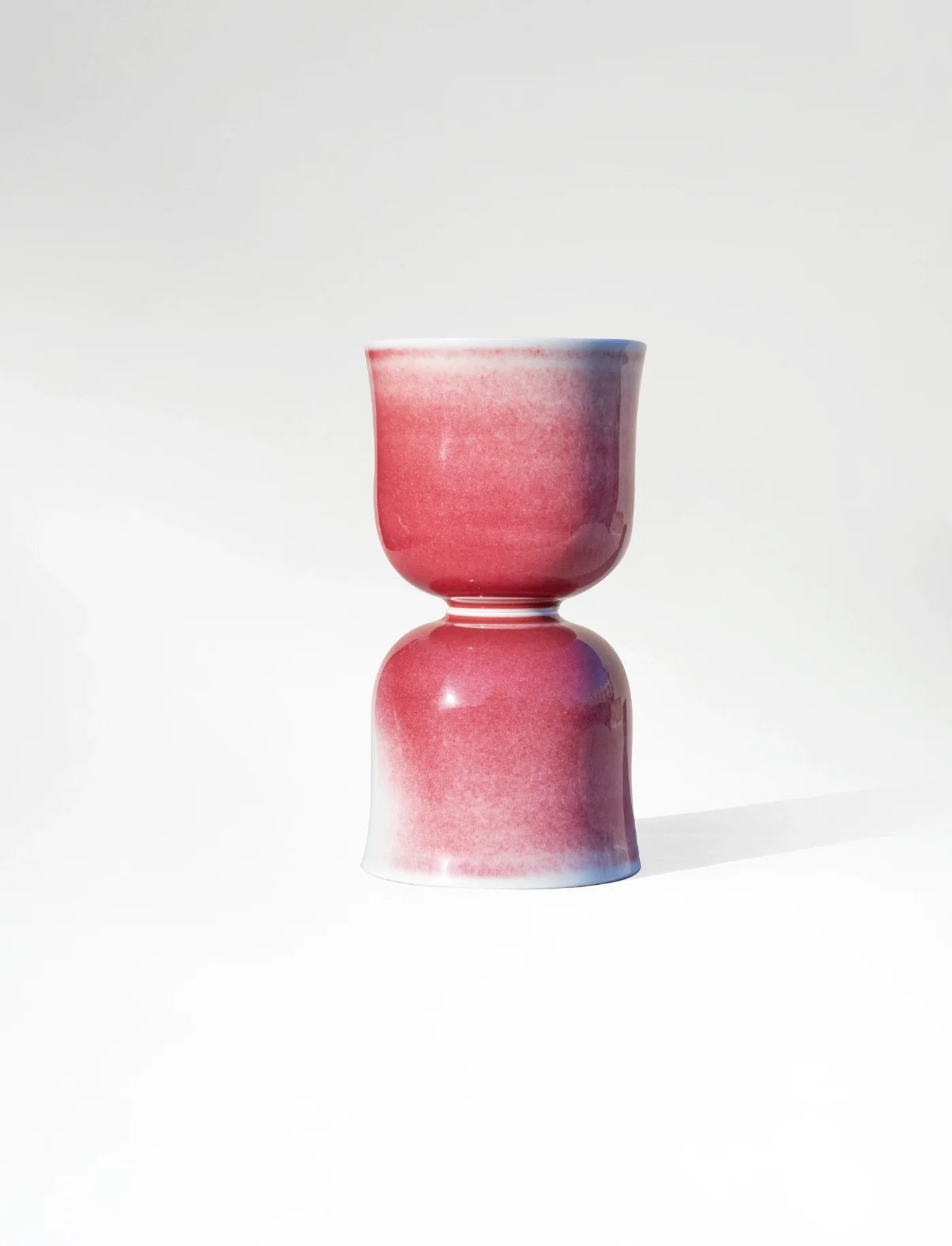
Introducing these ancient materials into the modern workspace is a vital sensory intervention. Against the aluminum and glass of contemporary technology, the Jingdezhen porcelain body offers a tactile representative of a thousand-year craft. It is a “Desktop Sculpture” born from a stratum that has survived dynastic shifts and industrial revolutions. By honoring the lineage of the porcelain capital, we provide an object that is historically resonant and technically superior – a silent, stony anchor for a world in constant flux.
Read more

“The Invisible Balance: A Study in Tactile Interface” The handle serves as the primary interface between the ceramic object and the human user, acting as the bridge where cold geology meets living...

In the vocabulary of ceramics, 1300°C is more than a thermal measurement; it is the physical threshold where clay ceases to be earth and begins its transformation into stone. This entry provides a ...


