


A slower way of seeing
SaraGaia creates porcelain objects with character, presence, and purpose - made to be used, noticed, and kept.

A slower way of seeing
For fifteen years, our founder, Truman Chu, built digital products designed to make life faster: social platforms, online marketplaces, and systems that turned waiting into a problem to be solved.
Over time, he began to notice what that logic could leave behind. Days became efficient, but not always memorable. Meals happened, conversations passed, and the objects around us became so familiar that we stopped feeling them at all.
SaraGaia began with a desire to make room for a different kind of attention - not by stepping away from modern life, but by bringing more feeling into the objects we live with every day.

A lesson from Jingdezhen
That search led Truman to Jingdezhen, China, a place widely known as the world's porcelain capital for its long history of porcelain making and ceramic trade.
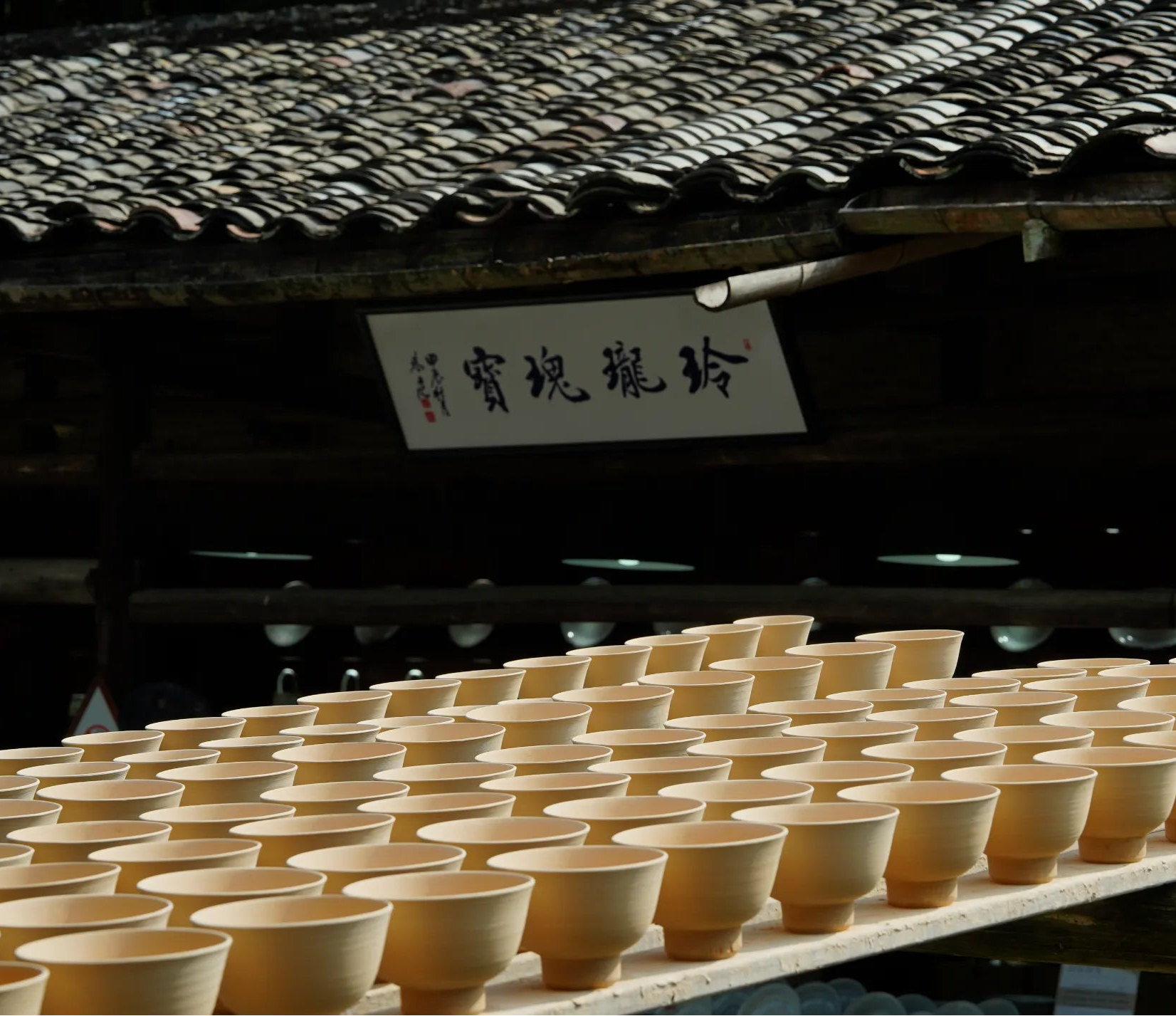
In a quiet workshop, he watched clay being shaped by hand and pieces being left to dry in their own time. He saw glaze applied with patience, and finished porcelain examined not only for whether it had survived the kiln, but for what the firing had revealed.
The lesson was simple, but it changed the way he thought about making: not everything meaningful can be forced into perfect sameness. Material, weather, fire, and the hand all have something to contribute. Good making is not only about control. It is also about knowing when to listen.
That understanding became the beginning of SaraGaia.
Earth and hand
The name brings together two forces that define our work.
Gaia stands for the material world: clay, mineral, stone, and the depth held within a glaze.
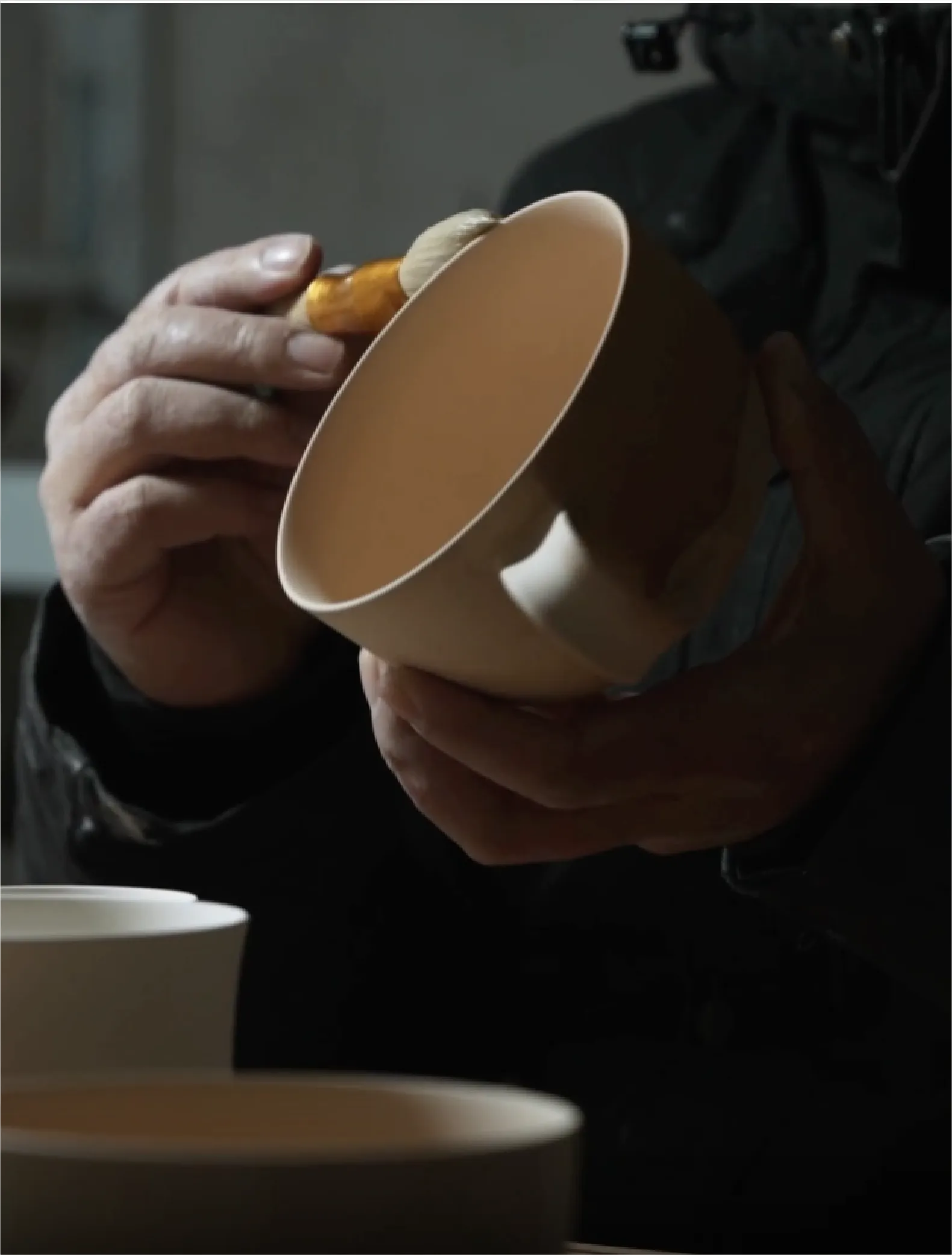
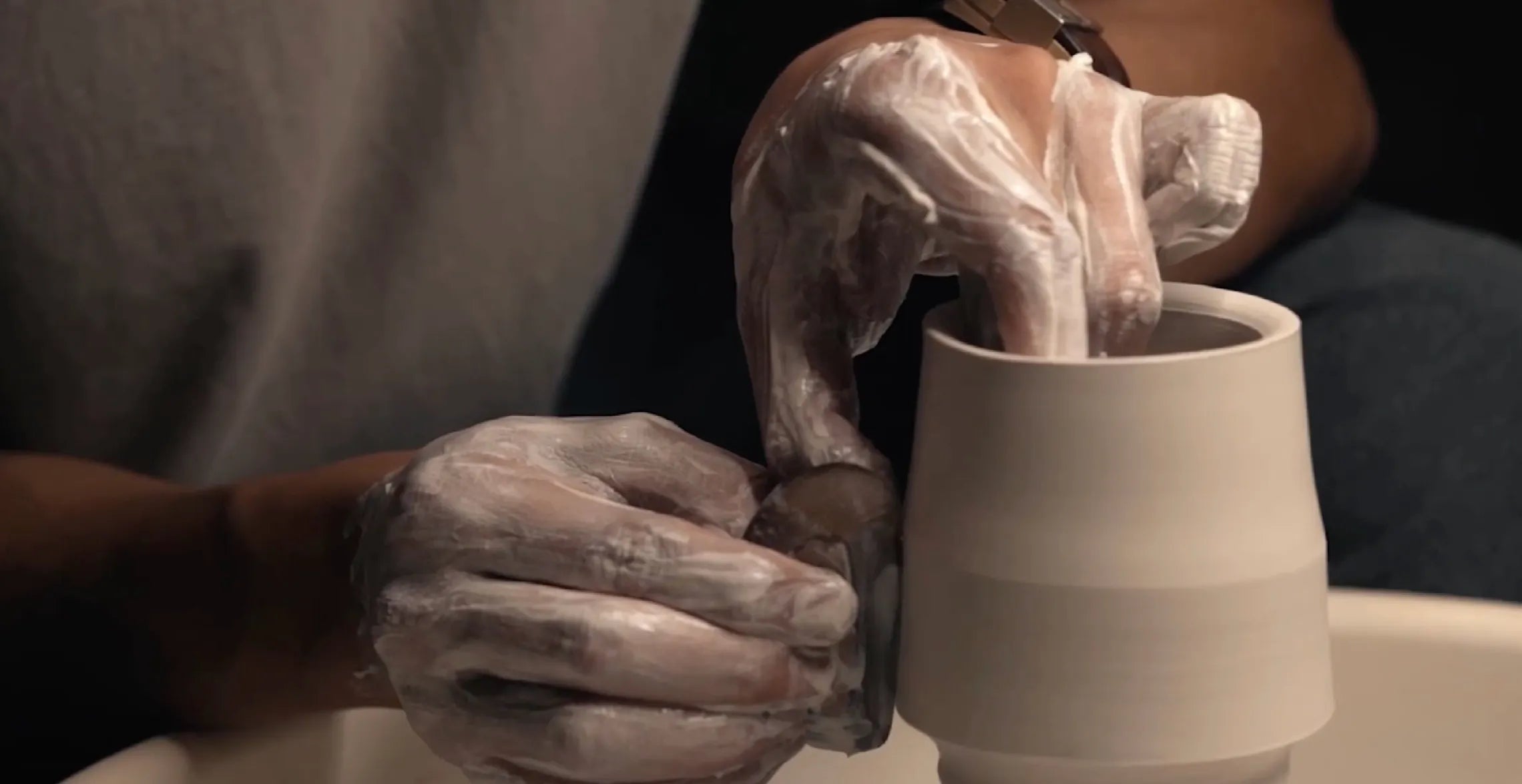
Sara stands for the human side of making: the hand that shapes, refines, and gives form its balance.
Neither is enough alone. Material without care remains only material. Skill without material has nothing to shape. When earth, fire, and hand meet, porcelain becomes a vessel with its own character.
This is the spirit behind our work. We do not want to erase every trace of the process in pursuit of a generic finish. We work with mineral-led glazes, kiln fire, time, and hand-finishing because each can leave subtle variation in colour, surface, and form. Those variations are not a shortcut to novelty. They are part of what makes a piece feel present, personal, and alive.
More than a cup, never less than one
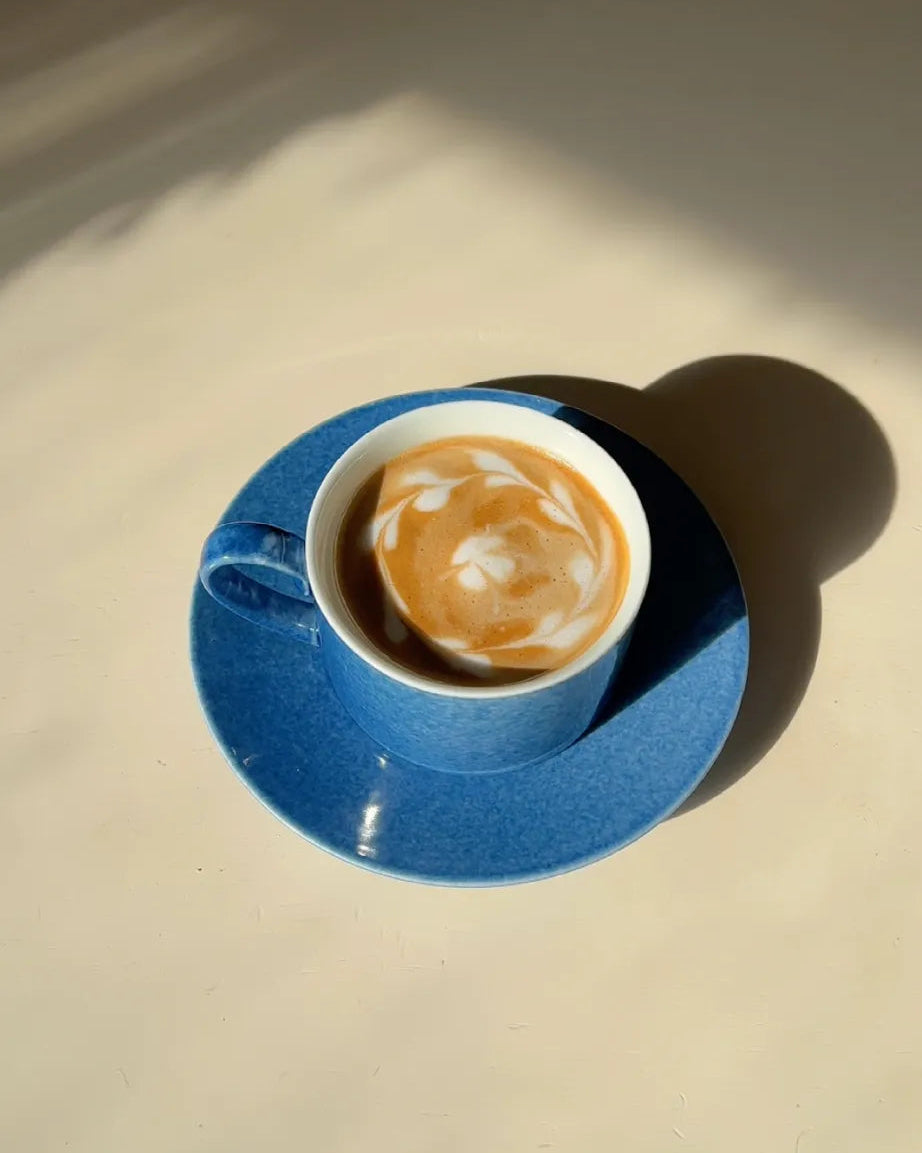
SaraGaia creates sculptural porcelain drinkware.
We begin with a practical object - something made to hold tea, coffee, or a drink you return to - and ask it to carry more. More consideration in its silhouette. More depth in its surface. More presence in the room around it.
We call this contemporary functional art. Not because an object should be placed at a distance from life, but because it should live in two states. Empty, it can hold its own as a considered form on a shelf, desk, or table. Full, it should feel natural in the hand and clear in purpose.
Art when empty. Life when full.
Made in Jingdezhen, for the present
Jingdezhen is more than a point on a label. It is a living craft environment where porcelain knowledge, glaze practice, kiln expertise, and skilled hands continue to be practised every day.
SaraGaia works within this living language while speaking in a contemporary voice. We are not here to reproduce historical objects or turn history into decoration. We are here to carry forward a way of making that respects material, time, and human attention - and to shape it into porcelain for the lives people live now.
What we hope a piece becomes
We live among many things designed to be replaced. SaraGaia is made for the opposite impulse: choosing with care, using with pleasure, and keeping what continues to matter.
That may be one piece that becomes familiar in your hand. It may be a pair chosen for two people. It may be a set that gives a new home, a shared table, or a thoughtful gift a more lasting sense of intention.
The value of a SaraGaia piece is not completed when it leaves the kiln. It grows as it finds its place in your home and in the life around it. The light on its surface changes. The weight becomes familiar. The object begins to carry the memory of the person who chose it, gave it, or used it often enough to call it theirs.
Our promise
We believe care should be felt not only in the object, but in the way it is offered.
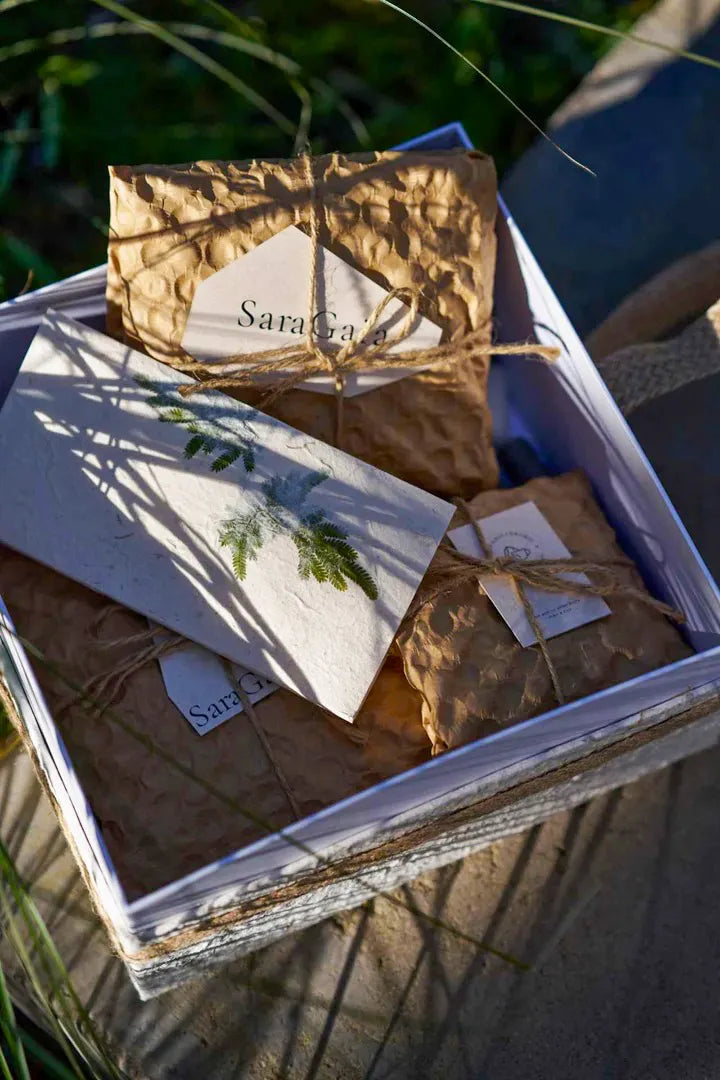
We are committed to describing our materials and making with honesty, and to giving clear information about use, care, packaging, delivery, and support. A piece with character should not be difficult to understand or difficult to choose.
SaraGaia is for people who believe that the things they keep should say something about how they choose to live: with more attention, more character, and more care.
Made by mineral, fire, and hand. Kept with care.